Python Classes: The Power of Object-Oriented Programming – Real Python
Python classes are blueprints for creating objects that bundle data and behavior together. Using the class keyword, you define attributes to store state and methods to implement behavior, then crea...
Source: realpython.com
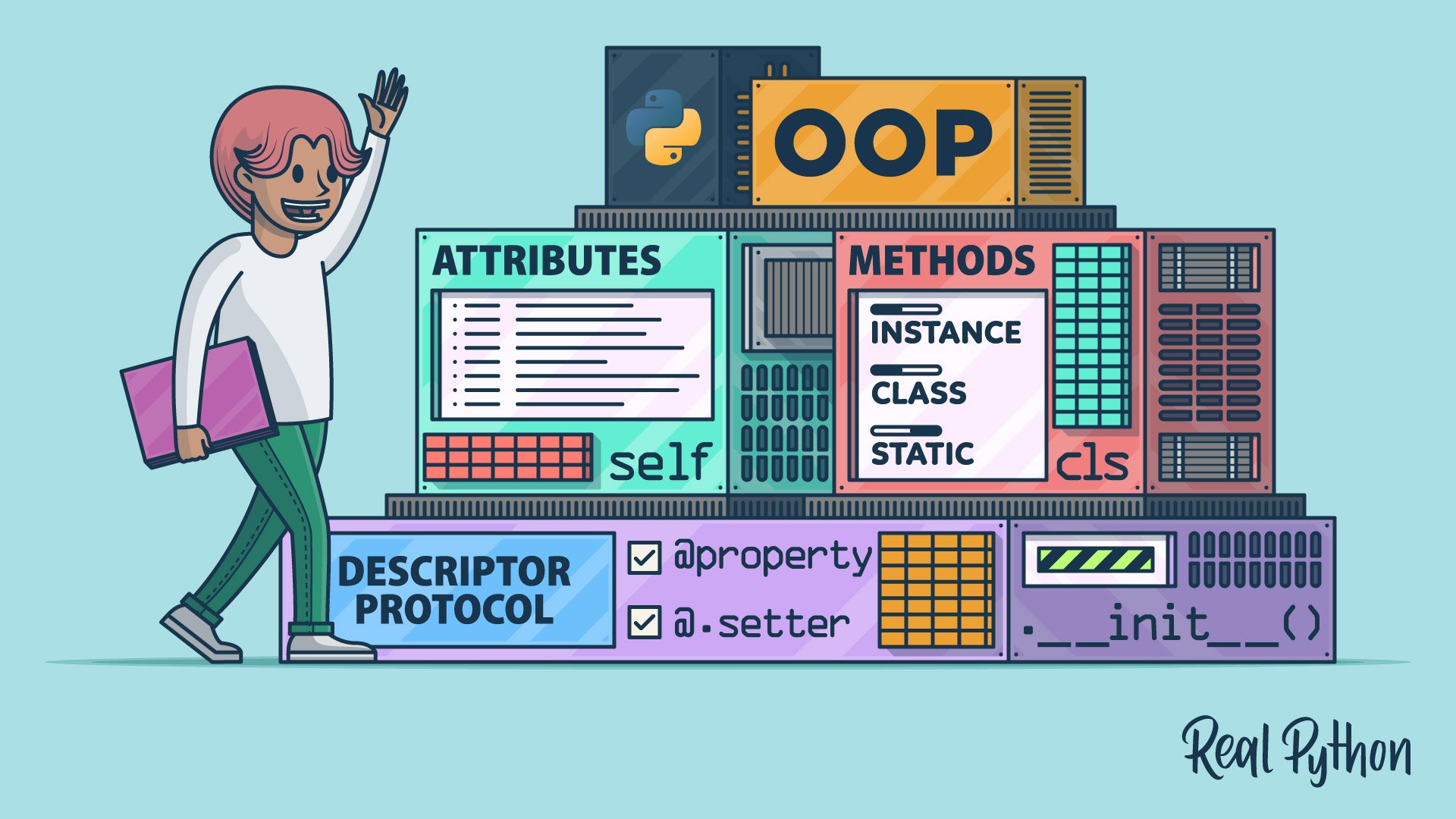
Python classes are blueprints for creating objects that bundle data and behavior together. Using the class keyword, you define attributes to store state and methods to implement behavior, then create as many instances as you need. Classes are the foundation of object-oriented programming (OOP) in Python and help you write organized, reusable, and maintainable code. By the end of this tutorial, you’ll understand that: A Python class is a reusable blueprint that defines object attributes and methods. Instance attributes hold data unique to each object, while class attributes are shared across all instances. Python classes support single and multiple inheritance, enabling code reuse through class hierarchies. Abstract base classes (ABCs) define formal interfaces that subclasses must implement. Classes enable polymorphism, allowing you to use different object types interchangeably through shared interfaces. To get the most out of this tutorial, you should be familiar with Python variables,